
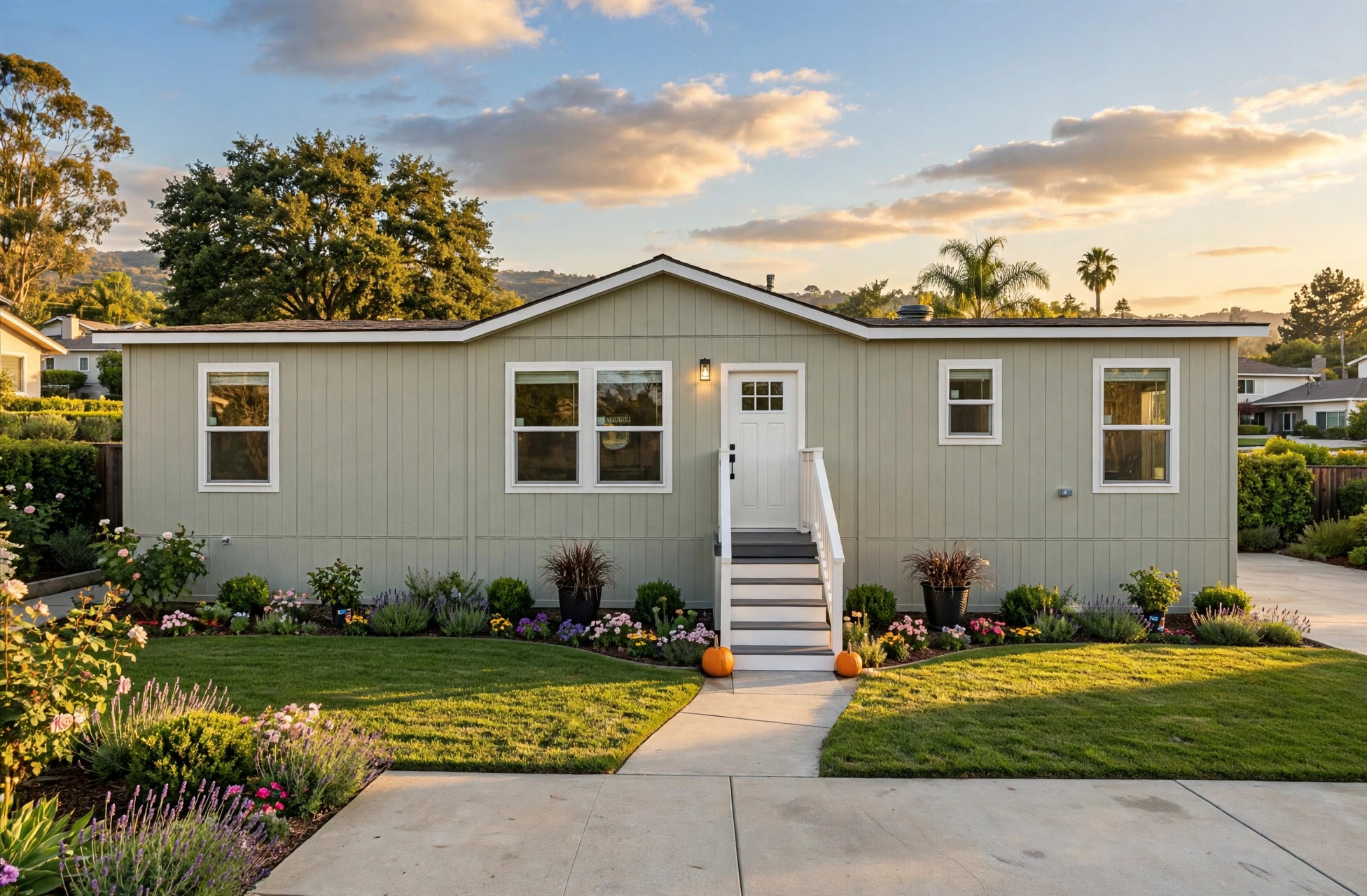
When you picture an ADU, you probably imagine a cozy one-story cottage in the backyard. But many homeowners are discovering a smarter way to fit more living space on the same footprint: building up instead of out.
Why Go Two Stories?
If your lot feels tight — a narrow backyard, a large garage footprint you cannot expand, or a property where setbacks limit how wide you can build — a two-story ADU lets you roughly double the living area without taking more ground. That means a full one-bedroom or two-bedroom home on land that might only fit a studio at ground level.
What Changes Upstairs
Life on the second floor feels different in the best way. Upper bedrooms often get better natural light and views, while the main floor keeps the open living, kitchen, and dining space. Designers also like stacking plumbing — kitchen and baths aligned on both levels — which keeps the build simpler.
There are practical considerations too. Stairs take floor space on both levels, so the layout needs to be thoughtful. And local rules sometimes add requirements for taller structures, such as privacy screening or specific height limits, which vary from one jurisdiction to another.
When It Makes Sense
A two-story ADU shines when you need real space — a guest suite for visiting family, a rental that competes with apartments, or a home office downstairs with living quarters above. If your household needs are modest, a one-story design may be the simpler, more accessible choice.
Key Planning Questions
Start with the basics: how tall can you build in your area, and how does the structure need to sit relative to property lines and the main house? Then think about daily life — stairs versus single-level access matters if anyone in the household has mobility needs. Finally, look at how the design complements your existing home so the property feels like one cohesive whole.
Thinking about adding more space on your lot? Reach out for a free consultation — we will talk through your property, your goals, and which ADU layout could fit your life.
---
Please note: This article is for general information only. Rules vary by county and city — always check with your local county or city planning office for the specific rules that apply to your property before making decisions.