
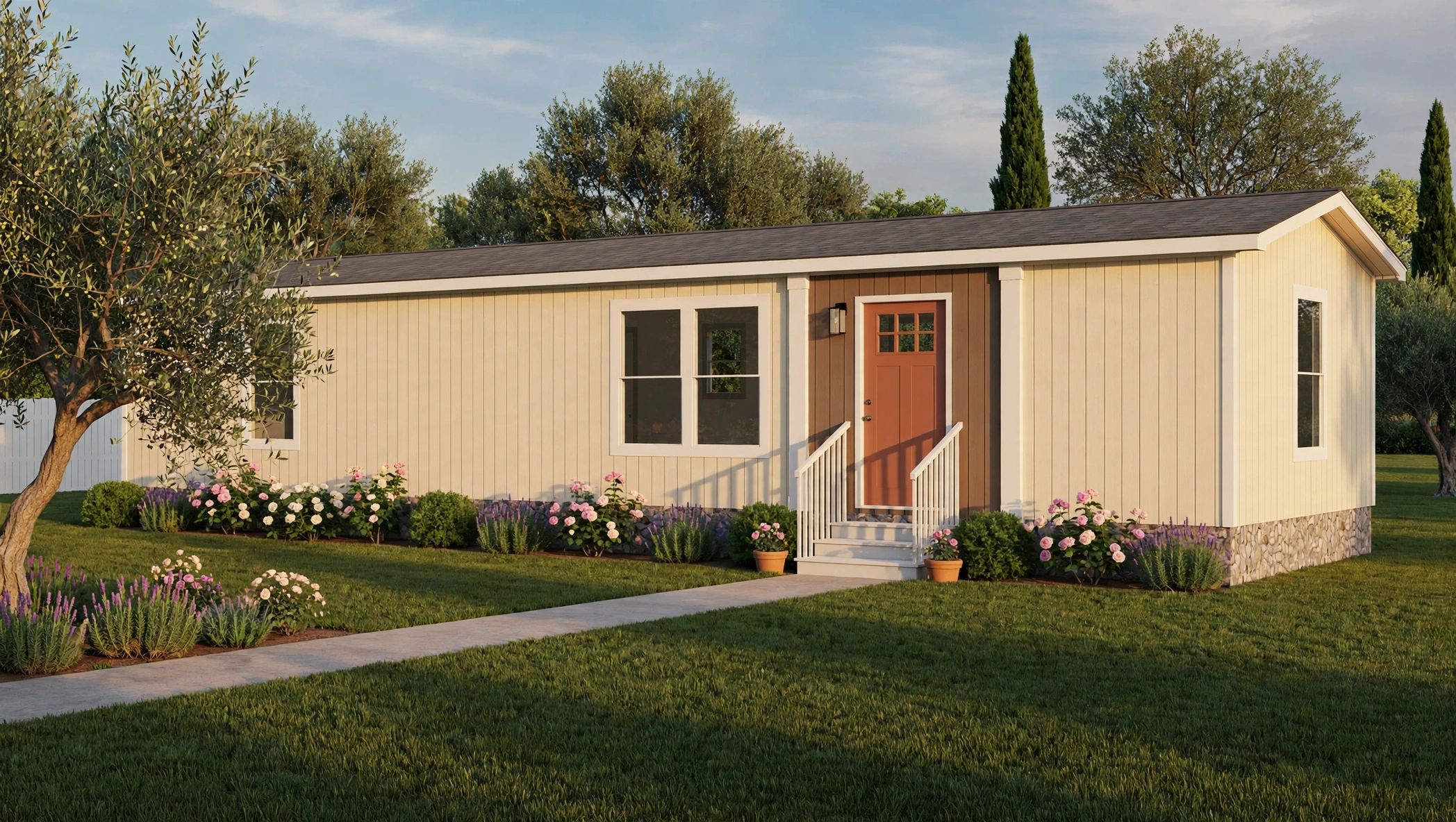
Why an ADU Works Well for Aging in Place
An accessory dwelling unit, or ADU, lets a loved one live independently on the same lot as family, close enough for help and company but with a home of their own. When that home is designed for aging in place from the start, everyday life stays easier and safer as needs change over time.
Start With Easy Entry and Movement
The most important choices are often the simplest. A step-free entrance, wider doorways, and hallways with room to move comfortably help with walkers, wheelchairs, and everyday tasks like carrying groceries. A single-story layout avoids stairs for bedrooms, bathrooms, and laundry. Smooth flooring transitions between rooms also reduce tripping hazards without making the home feel institutional.
Design a Safer, More Comfortable Bathroom
Bathrooms deserve special attention. A walk-in shower with a low or no threshold, grab bars placed where they are actually needed, and a comfortable shower seat can make daily routines feel secure. A vanity with knee space and lever-style faucets are easier to use for many people. Good lighting matters here too, especially at night, when clear visibility helps prevent falls.
Make the Kitchen and Living Areas Work Every Day
In the kitchen, think about reach and ease. Varied counter heights, pull-out shelves, and appliances placed to limit bending and lifting can make cooking more enjoyable. Lever handles on doors, rocker light switches, and well-placed outlets throughout the home are small details that add up. In living areas, leave open space to move and arrange furniture without tight corners or crowded paths.
Light, Visibility, and Quiet Comfort
Natural light supports mood, sleep, and visibility, so generous windows in main living areas help. At the same time, consider privacy and glare, and plan window coverings that are easy to operate. Thoughtful insulation and window placement can also keep the home quieter and more comfortable in different seasons, which matters for rest and health.
Plan Ahead, Even If You Do Not Need It Yet
You do not have to use every feature on day one. Planning door widths, bathroom layout, and entry access during design is far easier than changing them later. Talk through how the home might need to work in the years ahead, not just today. Local rules for ADUs vary by city and county, so confirm what applies to your property early.
If you are thinking about an ADU for a parent, a loved one, or your own future, book a free consultation with American Dream ADU. We can talk through aging-in-place ideas for your lot and provide a free quote with no pressure.
---
Please note: This article is for general information only. Rules vary by county and city — always check with your local county or city planning office for the specific rules that apply to your property before making decisions.